
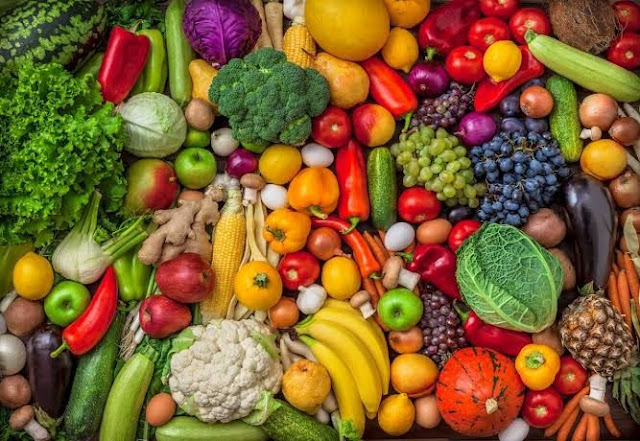
The Tender Joy of Eating Vegetables (Veganism)
As a vegan, I am frequently asked what I eat since I have made the choice not to eat any animal foods. With a small frown, and great concern, the question comes: “So … all you eat are vegetables?”“All!?” The tender joy that comes with eating vegetables goes well beyond the perimeter of our plates. Vegetables hold the key to life and robust health. They beckon and intrigue us, in ways that no animal food ever could, with their seductive beauty.
We have damaged the planet we call home, plundered her resources, emptied and polluted her sea sand, ravaged her land. We have spent decades, if not centuries, taking from her and giving nothing back. The tide needs to shift if we are to get out of this mess alive.
Animal agriculture is choking the Earth and making us sick. We must act now!!!
Animal agriculture is choking the Earth, and the longer we turn a blind eye, the more we limit our ability to nourish ourselves, protect waterways and habitats, and pursue other uses of our precious natural resources. Raising livestock for meat, eggs and milk generates 14.5% of global greenhouse gas emissions, the second highest sources of emissions. It also uses about 70% of agricultural land, and is one of the leading causes of deforestation, biodiversity loss, and water pollution.
On top of this, eating too much meat and dairy is making us sick, greatly increasing our risk of heart diseases, type 2 diabetes, several major cancers (including breast, liver and prostate) and obesity.
In this article I’ve tried to answer the question, “why go vegan?” with best reasons I know of…
Why go Vegan?
For animals
 |
| Veganism & Animals |
Preventing the exploitation of animals is not the only reason to go vegan. Having emotional attachments with animals may form part of that reason, while it is true that all creatures have a right to life and freedom. Specifics aside, avoiding animal products is one of the most obvious ways you can take stand against animal cruelty and animal exploitation everywhere.
For your health
Well planned vegan diets follow healthy eating guidelines, and contain all the nutrients that our bodies need. They are suitable for every age and stage of life. (read the last excerpt of this article. We tried to help youJ)
For the environment
 |
| Veganism & Environment |
From recycling our household rubbish to cycling to work, we all are aware of ways to live a greener life. One of the most effective things an individual can do to lower their carbon footprint is to avoid all animal products. This goes way beyond cow flatulence!
Why is meat and dairy so bad for the environment?
The production of meat and other animal products places a heavy burden on the environment. The vast amount of grain feed required for meat production is a significant contribution to deforestation, habitat loss and species extinction. This land contributes to developing world malnutrition by driving populations to grow cash crops for animal feed rather than food for themselves. On the other hand, considerably lower quantities of crops and water are required to sustain a vegan diet, making the switch to veganism one of the easiest, and most enjoyable and most effective ways to reduce our impact on the environment.
Why vegetarian isn’t enough?
The suffering caused by the dairy and egg industry is possibly less well publicised than that of the factory farmed animals. The production of dairy products necessitates the death of countless male calves that are of no use to the dairy farmer, as well as the premature death of cows slaughtered when their milk production decreases. Similarly, in the egg industry, even ‘ethical’ or ‘free range’ eggs involve killing of the unnecessary male chicks when they are just a day old…!
Ethical meat?
It’s tempting to want to believe that the meat we eat is ethical, that our ‘food animals’ have lived full, happy lives and that they have experienced no pain or fear at the slaughterhouse. Yet the sad truth is that all living creatures fear death, just as we do. No matter how they are treated when they are alive, they all experience the same fear when it comes to slaughter.
Inspire people around
When we venture down a vegan path while surrounded by omnivores, we may dream of them joining us in our cruelty-free commitment. But meat-eaters often dig in their heels when it comes to going plant-based. Fear not! We’re sharing some simple tips to inspire your dear ones to go vegan along with you.
1. Don’t preach
Nevertheless, avoid taking a holier-than-thou attitude with the people around. Sharing your journey is one thing, but when we become evangelical and tell our loved ones what to do, we lose their interest in our causes. Be a happy vegan, but don’t make people miserable while they’re finding their way.
2. Inspire by example
 |
| Inspire for veganism |
Setting a great example can be a fantastic form of advocacy. When we take care of ourselves, we inspire others. The best way to show someone the benefits of a lifestyle change is by demonstrating how well it works on you.
3. Prepare delicious food
 |
| Delicious Food |
When we cut out the animal products and go vegan, we discover the wonderful abundance of plant-based foods available to us. Make an effort to take over the food prep in your household. Start by getting up early to surprise the bread winners in the house with a homemade lunch to take with them to work. Then get creative and serve your plant-based interpretation of their favourite recipe for dinner. Not only will they appreciate your effort, but they’ll taste for themselves just how fantastic vegan food can be.
4. Arm yourself with facts

Another great way to convince people to go cruelty-free is to know your vegan facts. Whether you’re sharing information about the ills of animal agriculture, such as the conditions animals endure on factory farms, or why plant-based eating is more environmentally sustainable than an omnivorous diet, your brain is one of your greatest tools. Be ready to share what you know, when people come to you with their first curious questions, such as “Why shouldn’t I eat cheese?” and “Where would I get my protein?” You’ll show how legit your choice is by being able to quote concrete examples in every conversation.
5. Support every little step
Once people are curious and voice their interest in going plant-based, you may opt to support a “kaizen” (Japanese for “good change”) approach. Some people will dive into veganism, and some will start by eating a bit more plant-based here and there on their quest to total veganism. Have compassion and patience as you support others in going through this change.
Popular encounters for vegans

I don’t find any reason alarming enough to stop taking milk
By seven our bodies stop making lactase, which is essential for breaking down lactose found in human and animal milk. When a child develops lactose-intolerance, it’s because biologically she or he is not meant to keep drinking milk beyond infancy. Yet millions who have this condition are considered to have a “vegan diet”, and because of it, they’re warned that they won’t be able to get enough calcium. Actually, lactose-intolerance is the norm and you can get calcium directly from plants, which is where the animal gets it from to begin with.
Vegans do not get enough protein
The common misinformation that people readily buy is that humans gain protein only from animal products. This is false. Plant based protein sources are a plenty (soya, lentils, pulses, broccoli, seaweed, peas etc). Incidentally, animals consumed for so-called protein are fed on the above plant-based protein diet. So you’re basically consuming the same plant-based protein but through dead tissue/extracted produce from an animal.
Veganism leads to malnutrition
Quite the opposite, actually. A balanced vegan diet is known to boost the immune system, enable better heart function, provide more endurance and promote healthier skin.
Veganism applies only to food
Agreed that veganism is widely connected to food and consumption, but it does not limit itself to that. Veganism is a way of life. It’s about not contributing to anything that leads to cruelty or damages the environment. Vegans generally avoid using lifestyle products that are tested on animals or contain traces of animal sources.
It is impossible to be vegan because animal products are in everything
This argument is like saying, it’s impossible to not shoot people because guns are everywhere. It all comes down to your choice. Organic food is on the rise and plenty of plant-based nutrition is available in urban and rural areas.
Veganism is expensive
Sure, the price of organic foods and cosmetics will be higher than the commercial animal-based ones in the market, but this is because of the demand-supply ratio. When the demand for organic products goes up, the price will automatically come down.
Is it difficult to be a vegan in India?
It is possible everywhere to be a vegan. Depends on the resources you have around you, how easy will it be for you!

1. Food -the major concern
If you have a kitchen of your own, it’s so easy to be a vegan, just don’t buy any dairy product and you will eventually become a vegan see how the replacement works:
Animal milk:
Coconut milk: just grind the coconut after peeling off fully and add water according.
Almond or cashew milk: soak overnight or boil in water, remove the skin, grind well and filter .Milk is ready to use. Your beverages like tea and coffee wouldn’t taste like before but keep trying; I suggest coconut milk for the drinks. Keep all the thick textured part from the filter, it’s usable.
For meals:
A proper Indian meal i.e., roti sabzi daal chawal are already vegan. So, no extra efforts required. Just make sure you fry them in vegetable oil. Also if you have a habit of applying butter over your chapatis you can use organic coconut oil, believe it doesn’t taste bad.
Dahi: Most of the people have a habit of having curd or raita in their lunch or dinner.
Here’s how you can make: Take cream of a green coconut, grind well and add lemon and salt according to taste.
A cruelty free, equally tasty curd is ready. If you want to prepare thick gravy for your vegetables, you can use the leftovers from the milk you made, so nothing gets wasted. It will provide you a thickness and of course a lot of nutrients.
A cruelty free, equally tasty curd is ready. If you want to prepare thick gravy for your vegetables, you can use the leftovers from the milk you made, so nothing gets wasted. It will provide you a thickness and of course a lot of nutrients.
Sweet dishes: almond milk can be used in most of the liquid dishes like kheer, fruit custard etc, without
a change of taste.
a change of taste.
Paneer: Cottage cheese can be replaced with a good quality soya paneer.
Honey: coconut sugar, brown sugar, dates paste, jaggery, maple syrup etc are easy replacements.
2. Clothes:
just don’t buy silk, fur, leather or wool. This is obviously not so hard change to adopt.
3. Shoes, belts and wallets:
Don’t buy leather
4. Beauty products:
Go for milk free shampoos, lotions etc. Medimix, lotus, vicco, khadi are some brands that offer vegan products that are not animal tested too. Not all of them are vegan but are not tested on animals.
5. Last but not the least:
eating outside
If you are having a lunch in a restaurant then for starters almost all dishes except in which paneer is the main ingredient are vegan. Soups, salads, papad etc, are vegan For main course simply ask for butterless breads or chapatis. Green vegetables are all vegan just confirm the gravy if you are ordering such a dish. Some chinese dishes like noodles, manchurian, fried rice, etc are vegan. Italian: Red sauce pastas are vegan.
Hope the article helps you to understand that India homes vegans. I also hope that you soon become a vegan and help the Earth recover.
Like any change is life, becoming vegan takes a while for the immediate surroundings to get used to it. Family members might object your choice because they might not be aware. They will only understand if you give them valid explanations behind this. It’s important to stand by your beliefs. After all, who will consciously object to you leading a nonviolent lifestyle?
Have you inspired someone lately to go vegan? Yes? Please inspire us by sharing your adventures. We’d love to hear from you. Have we been successful in inspiring you? Please let us know and let us have the feeling of accomplishment… thank you for reading all the way!!
by
Neha Panchangam






Leave a Reply